
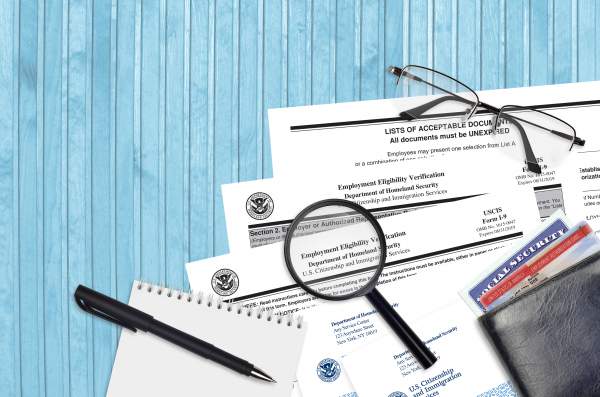
Preparing immigration paperwork often starts long before forms are submitted. One of the most important steps is gathering and organizing supporting documentation early.
Missing documents can lead to delays, Requests for Evidence, or rejected filings.
Identity Documents
Applicants should generally begin by collecting:
- Passports
- Birth certificates
- Government-issued identification cards
- Immigration records
- Travel documents
Ensure documents are current and legible.
Family and Relationship Documents
Certain immigration filings require proof of family relationships. Common documents may include:
- Marriage certificates
- Divorce decrees
- Adoption records
- Birth certificates for children
- Proof of ongoing relationships
Financial Records
Financial documentation is commonly required in many immigration matters.
This may include:
- Tax returns
- W-2 forms
- Pay stubs
- Bank statements
- Employment verification letters
Keeping financial records organized can simplify the process substantially.
Immigration History
Applicants should gather records connected to prior immigration activity, including:
- Previous visas
- Entry records
- Approval notices
- Prior filings
- Work authorization documents
Consistency between prior filings and current applications is important.
Certified Translations
Documents in foreign languages often require certified English translations.
Incomplete or inaccurate translations may delay processing.
Organize Everything Carefully
Strong organization can make a major difference during the immigration process.
Helpful strategies include:
- Labeling documents clearly
- Separating records by category
- Keeping digital backups
- Maintaining copies of everything submitted
Final Thoughts
Immigration paperwork often requires extensive supporting documentation. Preparing early and staying organized can reduce stress and improve efficiency throughout the process.Quimigrate helps clients prepare and organize immigration documents so they can approach the process with greater confidence.